
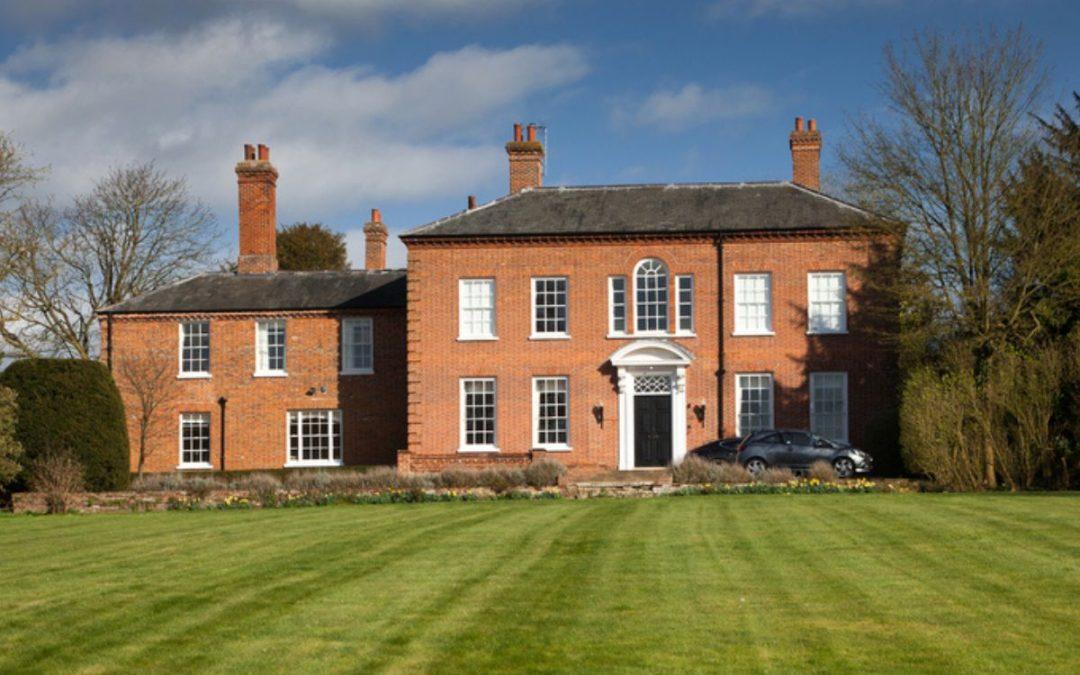
Transforming a bathroom in a traditional or listed property is a delicate balancing act. You’re not just updating a functional space—you’re working within the story of a building that already has character, constraints, and often, legal protections. Done well, the result is something far more compelling than a standard renovation: a space that honours the past while quietly embracing the comfort and efficiency of modern living.
For homeowners across the East Midlands, this challenge is increasingly common. Period properties—from Georgian townhouses to Victorian terraces and rural cottages—come with architectural charm, but also practical limitations. The question is not can you modernise a bathroom or wetroom, but how to do it sympathetically, without compromising the integrity of the building or the experience of using the space.
Understanding the Constraints of a Traditional or Listed Home
Before any design ideas take shape, it’s essential to understand what you’re working with. Listed buildings in the UK are protected for their historical or architectural significance, which means alterations—especially internal structural changes—may require consent. Even in non-listed period homes, there are often hidden complexities: uneven floors, solid walls, outdated plumbing systems, or restricted drainage routes.
A thoughtful renovation starts with respecting these constraints rather than fighting them. That might mean working with existing layouts instead of completely reconfiguring them, or finding creative ways to introduce modern systems without invasive structural changes.
This is where experience becomes invaluable. A team that understands both heritage considerations and contemporary bathroom design can navigate these restrictions with confidence, avoiding costly missteps while preserving what makes the property special.
The Art of Blending Old and New
Sympathetic design isn’t about making a bathroom look “old-fashioned.” It’s about creating harmony between periods—allowing modern fixtures to sit comfortably within a traditional setting.
This often begins with materials. Natural stone, marble-effect porcelain, and classic ceramic tiles can echo the textures of older homes while still offering durability and ease of maintenance. Colour palettes tend to lean toward softer, heritage-inspired tones—muted greens, warm neutrals, deep blues—rather than stark, ultra-modern contrasts.
Fixtures and fittings play a pivotal role. A freestanding bath with traditional styling can house modern plumbing and heat retention technology. Brassware in brushed brass or antique finishes can reference period detailing while delivering contemporary performance. Even something as simple as choosing crosshead taps over minimalist levers can subtly anchor the design in the building’s era.
But the real success lies in restraint. Not every element needs to shout for attention. Often, the most effective designs allow one or two standout features—perhaps a statement bath or a carefully restored original feature—to lead, while the rest of the space supports quietly.
Introducing Modern Functionality Without Disruption
One of the biggest concerns in older properties is how to integrate modern conveniences—underfloor heating, high-pressure showers, efficient ventilation—without intrusive alterations.
Wetrooms, in particular, can be transformative. When designed correctly, they offer accessibility, space efficiency, and a clean, seamless aesthetic. In traditional homes, achieving this requires careful planning. Floor structures may need reinforcing, drainage must be discreetly engineered, and waterproofing has to be meticulous.
The goal is invisibility. The best modern interventions are the ones you don’t immediately notice—the underfloor heating that gently warms stone tiles, the concealed cistern that keeps lines clean, the lighting that enhances ambience without overpowering original features.
Lighting deserves special attention. Older homes often lack natural light in bathrooms, so layered lighting—combining ambient, task, and accent sources—can dramatically improve usability while maintaining atmosphere. Warm colour temperatures help preserve a sense of softness that suits traditional interiors.
Preserving Character While Enhancing Value
A well-executed bathroom renovation in a period property doesn’t just improve day-to-day living—it can significantly enhance the home’s value. Buyers are increasingly drawn to homes that offer the charm of traditional architecture alongside the reliability of modern infrastructure.
However, value isn’t just financial. There’s a deeper satisfaction in knowing that a space has been improved without erasing its history. Retaining original features—whether that’s exposed beams, alcoves, or unique room proportions—adds a layer of authenticity that cannot be replicated in new builds.
At the same time, functionality should never be compromised for the sake of aesthetics. Storage, for example, is often overlooked in older homes. Thoughtfully integrated solutions—recessed shelving, bespoke cabinetry, or vanity units designed to suit awkward dimensions—can make a significant difference without detracting from the overall look.
The Importance of a Turnkey Approach
Renovating a bathroom in a traditional or listed property is not a straightforward, one-trade job. It requires coordination between designers, plumbers, electricians, tilers, and often, structural specialists. Miscommunication at any stage can lead to delays, budget overruns, or compromised results.
This is where a turnkey service becomes invaluable. Having a single, experienced team managing the entire process—from initial design through to final installation—ensures continuity, accountability, and a far smoother experience for the homeowner.
Casey Interiors, based in the East Midlands, has built a strong reputation for delivering exactly this kind of comprehensive service. Their approach is grounded in understanding both the technical and aesthetic demands of working within traditional properties. Rather than applying a one-size-fits-all solution, they tailor each project to the specific character and constraints of the home.
From initial consultation, they focus on listening—understanding how the space needs to function, what elements of the property must be preserved, and where modern upgrades will have the greatest impact. Their design process then brings these considerations together into a cohesive plan that respects the building while elevating the space.
Crucially, their turnkey model means clients aren’t left juggling multiple contractors or navigating complex decisions alone. Every stage is managed with attention to detail, ensuring that the final result feels considered, coherent, and built to last.
Real-World Transformations
Across the East Midlands, Casey Interiors has delivered numerous projects where traditional homes have been carefully modernised without losing their identity. These aren’t dramatic, character-erasing overhauls—they’re measured transformations that enhance what’s already there.
In some cases, that might involve converting an underused bathroom into a fully accessible wetroom, improving both practicality and future-proofing. In others, it’s about refining an existing space—introducing better lighting, more efficient layouts, and higher-quality materials while preserving original features.
The common thread is sensitivity. Each project demonstrates an understanding that these homes are not blank canvases—they come with history, quirks, and a sense of place that deserves to be respected.
Planning Your Own Sympathetic Renovation
If you’re considering transforming a bathroom or wetroom in a traditional or listed property, the starting point should always be clarity. What do you need from the space? Where are the current frustrations? And what elements of the property are non-negotiable?
From there, it’s about assembling the right expertise. Working with professionals who understand both heritage considerations and modern design can make the difference between a stressful process and a genuinely rewarding one.
Be prepared for a more considered timeline than a standard renovation. Permissions, structural assessments, and bespoke solutions all take time—but they also ensure that the end result is not only beautiful, but appropriate.
Above all, aim for balance. The most successful bathrooms in traditional homes don’t feel forced or overly styled. They feel natural—like they’ve always belonged there, even as they quietly deliver all the comfort and convenience of modern living.
A Space That Respects the Past and Serves the Present
There’s something uniquely satisfying about stepping into a bathroom that seamlessly blends old and new. It’s not just about aesthetics—it’s about creating a space that works effortlessly while still telling the story of the home.
With the right approach, modernising a bathroom or wetroom in a traditional or listed property doesn’t mean compromise. It means refinement. It means enhancing what’s already there, introducing thoughtful improvements, and creating a space that feels both timeless and entirely fit for today.
And with experienced, design-led teams like Casey Interiors offering a complete turnkey service across the East Midlands, that balance is not only achievable—it’s repeatable, reliable, and genuinely transformative.